


Anzac Day brings a peculiar rhythm to the pub floor, and the two-up ring is where the tension sits. People talk up anzac day two up odds like they’re reading a weather map, but the real edge comes from patience, bankroll discipline, and knowing when the ring is genuinely live. I’ve spent more than twelve years in equity capital markets, and the same forecasting discipline that keeps a deal pipeline honest applies here: you don’t chase noise, you model the flow. Even a packed Melbourne tram moves with a pattern once you stop treating it like chaos. Below is a practical walkthrough of how a player actually encounters the game, checks the table, and keeps control of the session.
Reading the Ring Before You Put Money In
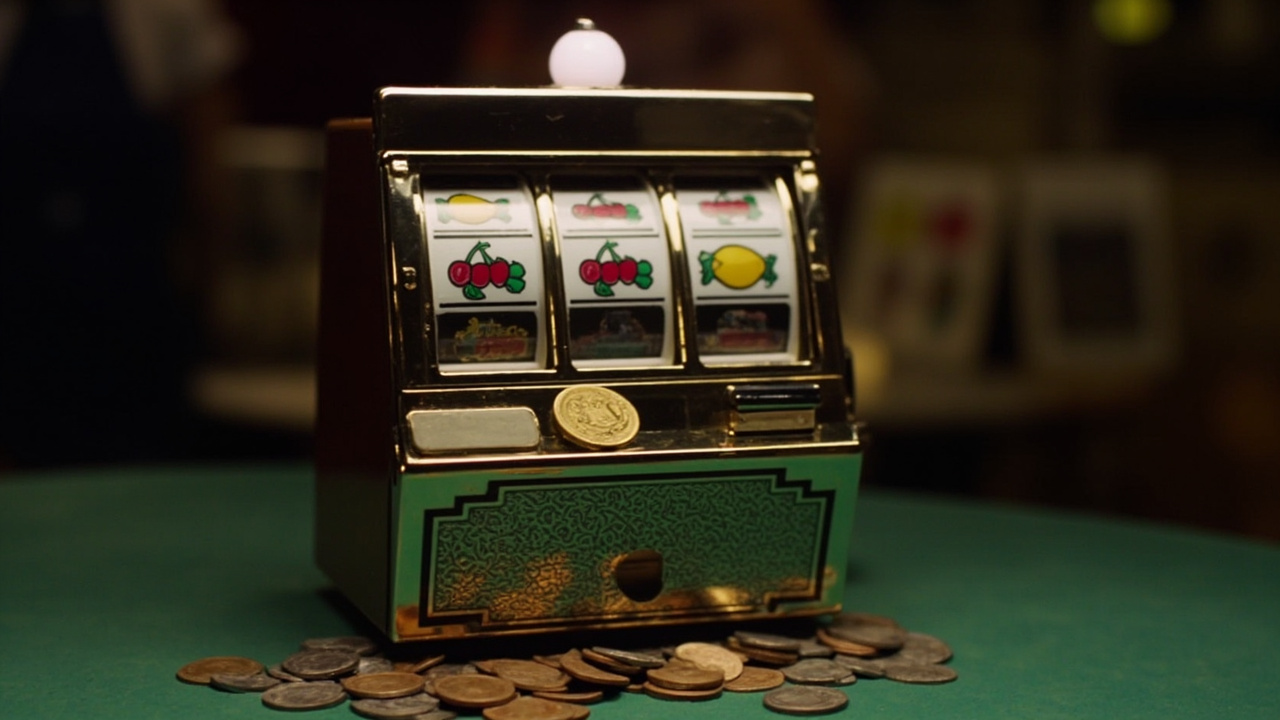
You don’t step into a two-up game blind. The first move is watching the spinner and the kip, noting how the coins behave across a handful of throws before you commit a cent. The odds people quote for anzac day two up odds are really just a reflection of a near-even proposition, with the house edge built into how the table is run and how bets are settled. In practice, that means the smart player treats the ring like a delayed Sydney train: you don’t force your timetable onto it, you wait for the actual departure signal. Restrooms and exits are often placed deep inside so you pass more games to reach them, and that same layout logic applies to a two-up floor – you wind past the noise to find the quiet table where the ring is steady and the calls are clear. Before you hand over cash, check that the licence number is visible, the terms around table limits are written down, and the support desk is actually staffed rather than a generic inbox. Registration on a proper platform takes a few minutes, asks for standard identity details, and locks your account controls in place so your deposit caps and session timers sit where you can see them. I’ve built AI-driven forecasting tools for professional-services growth, and the lesson carries over: a model is only as good as the inputs you feed it, so watch the real throws, not the chatter at the bar.
How the Odds Actually Sit at the Table
The mathematics here is straightforward enough that a player can hold it in their head without a spreadsheet. A single throw of two-up is a coin-pair event, and the advertised anzac day two up odds usually centre on heads versus tails with the house taking its cut through the way winning bets are paid and losing bets are collected. If gates-of-olympus-super-scatter-demo-au.com you want a concrete comparison, there are 2,598,960 possible five-card poker hands from a single deck, which is the kind of combinatorial scale that makes poker feel vast; two-up is far tighter, and that tightness is exactly why discipline matters more than hunches. On a well-run table, the spinner’s rhythm, the size of the kip, and the clear call of “come in, spin” are the real signals, not the stories being traded over a schooner. When I’m judging a service line, I look for whether the numbers are presented plainly and whether the downside is stated up front – same principle applies here. A player who understands that the edge is structural, not mystical, is less likely to blow through a bankroll chasing a run that feels “due.” The practical move is to set a loss limit before the first throw, treat any win as a signal to reassess rather than a reason to double down, and keep the session length fixed so the afternoon doesn’t drift into the early hours.
Account Controls, Support, and the Fine Print
A session runs cleaner when the account side is sorted before you’re watching coins fly. On a properly set-up platform, the registration flow captures your identity, your preferred currency, and your deposit ceiling in one go, and those controls stay visible in the account settings rather than buried under three menus. Support needs to be reachable during the arvo and evening rush, not just by email with a twenty-four-hour turnaround that misses the point of a live session. Security matters too: a licence that’s actually displayed, encryption on the login, and clear privacy wording around what data is kept and what gets shared are the baseline, not a bonus. I’ve seen professional-services teams grow on the back of automation that actually reduced friction instead of adding another dashboard, and the same test applies to a gambling account – if the responsible-play tools are real, they should let you set a deposit limit, a loss limit, and a time reminder without jumping through hoops. Gamble responsibly taglines are legally required on Australian gambling advertisements, and that same expectation of clear, front-and-centre messaging should carry into the account itself. If a platform can’t show you those controls in plain language, you’re better off walking to the next table or closing the app.
Where Wollongong Fits and What to Watch For
Anzac Day two-up isn’t a single nationwide product, and the way it lands locally can be as varied as a Saturday queue at a Bunnings sausage sizzle – busy as, friendly, and entirely dependent on who’s running the table. Down around Wollongong, the local pubs and clubs that host a commemorative ring tend to keep it tight, with the spinner rotated, the calls clear, and the crowd respectful of the day’s tone. That local anchor matters because the experience is shaped by the room, the staff, and the way the table is supervised, not by some abstract national odds sheet. If you’re checking a digital offering on the side, look for the same kind of clarity: named providers, stated game rules, a clean mobile layout that doesn’t hide the bet slip, and a loyalty structure that rewards steady play rather than pushing you toward bigger stakes. Charlotte Cooper, Compliance Director, Swan River Interactive, has noted that the strongest operators treat compliance as a design constraint from day one, not a checklist bolted on after launch, and that’s the kind of mindset that keeps the table honest. A player who wants a clean session will match the room, keep the bankroll modest, and treat any bonus mechanic as a condition to read carefully rather than a reason to assume the odds have shifted in their favour.
Not every venue sticks to the old rules, though, and some will slip a modern twist into the afternoon without breaking the commemorative mood. If you’re after a different kind of spin after the coins are boxed, you can always check out the legacy of dead slot with free spins at https://legacy-of-dead-slot-au.com/. It’s a quiet way to keep the rhythm going once the crowd starts to thin out.
For a practical session, the move is simple: confirm the licence, set your limits, watch the ring for a few throws, and only then put money in with a fixed plan for the evening. The anzac day two up odds you hear quoted are a starting point, not a promise, and the players who stay comfortable are the ones who treat the table like a controlled activity with clear exits. If the room feels right, the calls are clear, and your account controls are set, you can sit down without the session running away from you. If anything feels off, there’s no shame in standing up and finding a quieter corner – or heading home.
- Spinner: the person tossing the two coins in a two-up game.
- Kip: the small tray or mat holding the coins before a throw.
- Heads/tails: the two main outcomes players bet on in the ring.
- House edge: the built-in advantage the table or operator holds over time.
- Session limit: a pre-set cap on time or money for a single sitting.

