


The Psychology Behind Superstition in High-Stakes Environments
Gambling is rarely just about mathematics or probability; it is deeply rooted in human psychology and the desire to control chaos. In the heat of a casino, players often develop elaborate rituals to influence outcomes that are statistically random. These beliefs range from wearing lucky socks to specific dice-throwing techniques, creating a psychological buffer against the anxiety of potential loss. Understanding these cognitive biases is essential for anyone looking to navigate the complex world of chance-based games with clarity.
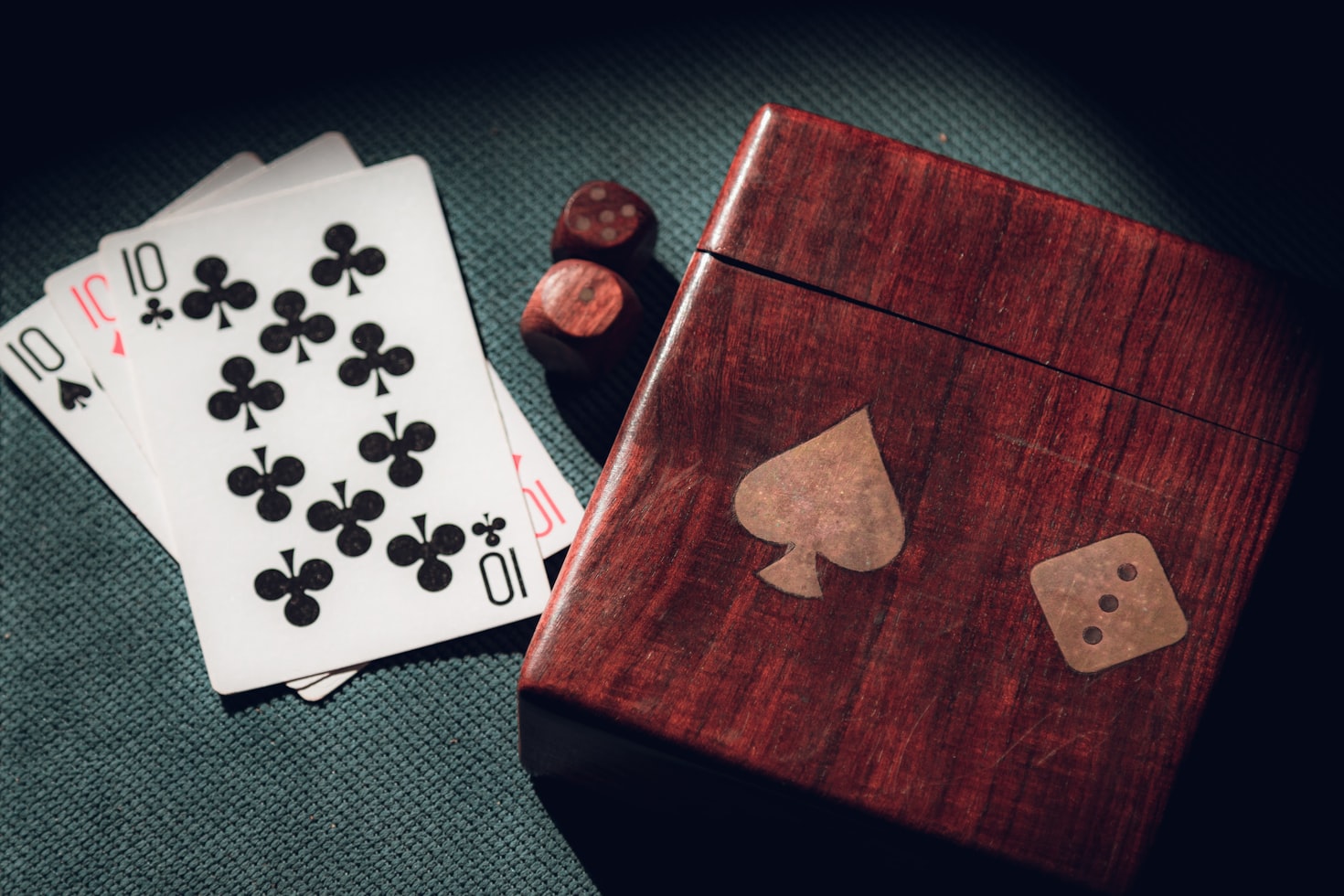
The concept of illusion of control is particularly prevalent among enthusiasts who engage in activities like craps. Players may believe their personal actions can sway the result, even though the house edge remains constant. This mental framework allows gamblers to stay engaged longer than they might otherwise, transforming a simple game of dice into a narrative of personal skill and destiny. Recognizing this dynamic helps separate emotional decision-making from strategic planning.
Common Myths About Dice Control and Probability
One of the most persistent myths in gambling circles is the idea that skilled players can physically manipulate dice to achieve specific numbers. While some argue that controlled throwing can reduce variance, statistical analysis suggests that the effect is negligible over time. Despite this, the allure of beating the system drives many to study intricate methods of grip and release, hoping to find an edge that defies the odds.
Another widespread misconception involves the gambler’s fallacy, where individuals believe that past results influence future independent events. For instance, if a certain number has not appeared for several rolls, a player might bet heavily on its imminent arrival, assuming balance must be restored. This logical error leads to poor bankroll management and significant financial risks, highlighting the importance of understanding true independence in random processes.
The Role of Rituals in Maintaining Player Engagement
Rituals serve as a crucial mechanism for maintaining focus and excitement during long sessions. Whether it is blowing on dice before a throw or following a specific betting sequence, these actions provide a sense of agency in an otherwise unpredictable environment. They help structure the experience, giving players tangible tasks to perform between rounds, which sustains interest and reduces boredom.
These behaviors also foster a sense of community among regular players who share similar traditions. Exchanging tips on lucky charms or effective throwing styles creates social bonds that enhance the overall enjoyment of the activity. This communal aspect reinforces the belief systems, making them more resilient to contradictory evidence or logical arguments.
Strategic Approaches to Managing Betting Beliefs
To maximize enjoyment while minimizing risk, players should approach their betting strategies with a balanced perspective. Acknowledging the power of superstition without letting it dictate financial decisions is key. Setting strict limits on bets and viewing any wins as bonuses rather than expected outcomes can help maintain a healthy relationship with the game.
Educational resources and community insights play a vital role in refining one’s approach. Platforms dedicated to sharing experiences and analytical discussions allow participants to learn from others’ successes and failures. For those seeking comprehensive information on various gaming topics, exploring reputable sources such as DK88 casino can provide valuable context and deeper understanding of the underlying mechanics involved in different wagering scenarios.

Exploring Temuan War for Strategic Insights
While primarily focused on military history and conflict analysis, the principles found in strategic thinking can offer unique perspectives on decision-making under uncertainty. The website DK88 casino serves as a hub for analyzing complex systems, which parallels the analytical challenges faced by serious gamblers trying to decode patterns in randomness.
Visitors to the site can discover curated articles that highlight critical thinking and historical precedents for managing high-risk situations. By applying lessons learned from warfare and defense strategies, individuals can develop a more disciplined mindset when engaging in games of chance. This cross-disciplinary approach enriches the player’s toolkit, blending intellectual rigor with recreational pursuit.

