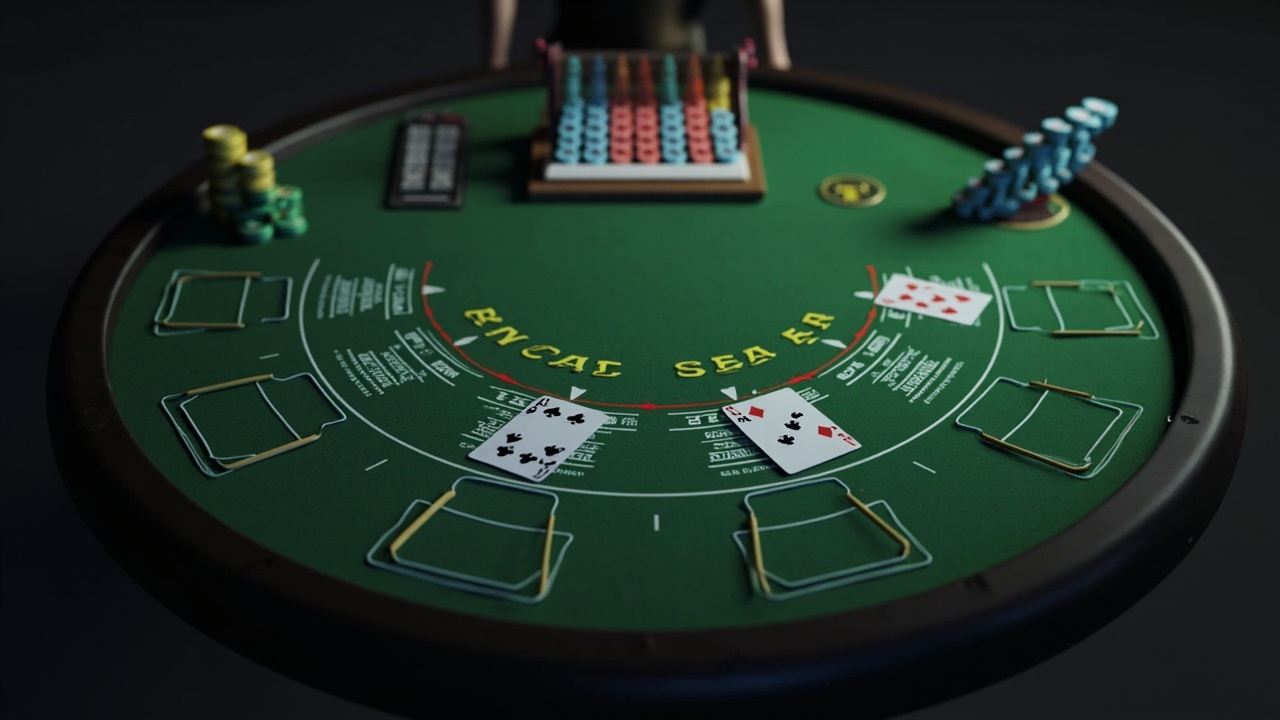
Baccarat house edge explained is less about mystery and more about knowing which side of the table actually pays you back over time. For Aussie adults weighing up a session on the commute or a quiet arvo on mobile, the maths matters more than the glamour. This read keeps the numbers honest and ties them to how a real platform behaves when you are actually playing.
What The Hold Percentage Means In Practice
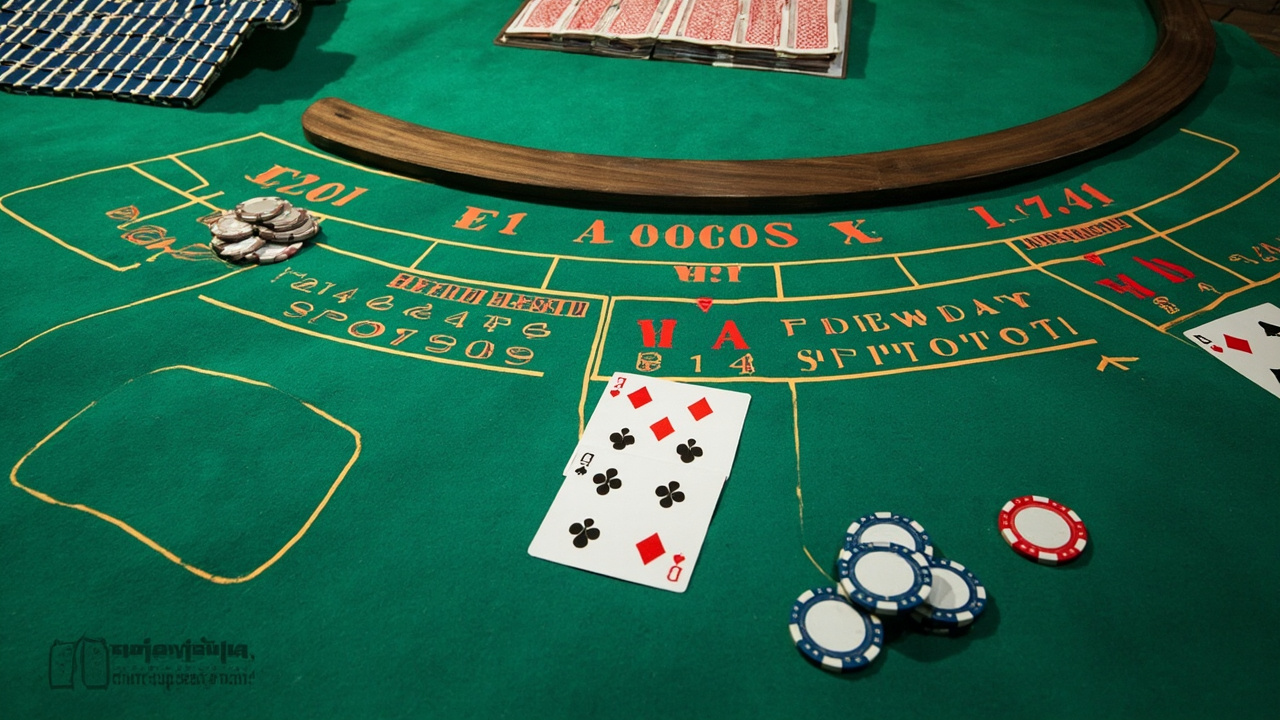
The hold percentage is what the casino actually keeps, closely tied to the house edge, and it is the figure that separates a theoretical probability from the money left in your account after a long night. In baccarat, the edge sits on the banker bet at roughly 1.06 percent, the player bet at about 1.24 percent, and the tie wager at a punishing 14 percent or more depending on the payout. Those numbers are small on a single hand, but they compound quietly across dozens of rounds, which is why a session that feels even can still leave you down when the cards are shuffled away.
I have spent more than twenty-two years building online gaming infrastructure, bingo platforms, payments, DevOps, operations, and PlayWise Systems integration, and the one thing that never changes is that the maths on paper must match the maths in the ledger. When a platform reports a house edge, I look for the same discipline I applied to payment reconciliation and session logging: the edge is only useful if the game logic, the random number source, and the payout rules all line up exactly as advertised. A baccarat table that quotes a tidy edge but quietly pushes commissions, rounding, or side-bet rules in a different direction is not giving you the same deal as the textbook figure.
How The Edge Breaks Down On Each Bet
Banker Bet And The Commission Trade-Off
The banker bet carries the lowest edge on the standard table, but it is not free money because the casino typically takes a five percent commission on winning banker wagers. That commission is the mechanism that trims the payout and keeps the house edge around 1.06 percent instead of letting the bet become a break-even proposition. The math works because the banker hand wins slightly more often than the player hand, thanks to the drawing rules that give the banker a small structural advantage on three-card and four-card decisions. If you are playing on mobile and want the tightest theoretical edge, banker is the side most regulars lean toward, provided you accept that the commission chips away at each win rather than appearing as a flat fee.
Player Bet And The Simpler Payout
The player bet pays even money with no commission, which is why it feels cleaner in the moment, but the house edge climbs to about 1.24 percent because the player hand wins slightly less frequently than the banker hand. That extra fraction is not dramatic on a handful of hands, yet it is the kind of difference that shows up over a busy session when you are tracking results on a phone between meetings or during a long weekend session. The player side is often the choice for people who prefer a straightforward payout and do not want to think about commission calculations as they tap through rounds. Crown And Anchor House Edge Explained
Tie Bet And Why It Costs More
The tie bet is the wager that grabs attention because it pays bigger, but the house edge on that side is where the maths turns harsh, often sitting around 14 percent or higher depending on whether the table pays 8:1 or 9:1. The bigger payout is the bait, but the tie happens far less often than the two main bets, so the expected return drops sharply over time. If you are comparing this to other table games, it is worth reading a related breakdown like the one on Crown And Anchor House Edge Explained For Australian Players, because the same principle shows up across different layouts: a flashy payout usually means the edge has moved against you. I have seen platforms where the tie bet is marketed as the excitement option, and from an operations and integrity standpoint, that is the wager most likely to drain a bankroll faster than the main bets if it becomes a habit.
Who This Fit Works Best For
- Players who want the lowest theoretical edge and do not mind tracking a commission on banker wins.
- Mobile-first players who want a simple even-money option and are comfortable with a slightly higher edge on the player side.
- Anyone treating baccarat as a measured session rather than a chase, because the edge is small enough to keep variance manageable but real enough to matter over time.
If you are the sort of player who likes a clean mobile experience, a baccarat house edge explained approach is most useful when the platform keeps the table logic transparent and the navigation fast enough that you are not fighting the interface between hands. I have integrated PlayWise Systems into live environments where latency, session stability, and payment handoff had to hold up under real traffic, and the same discipline applies here: a table with a fair edge is only half the story if the app stutters, the bet confirmation lags, or the balance update feels uncertain. For an Aussie player, that means looking for a setup that loads quickly on a phone, keeps the bet buttons within easy reach, and shows the commission and payout rules without making you dig through menus.
Keeping The Edge In View While You Play
Baccarat house edge explained is really a reminder that the game rewards patience more than it rewards chasing a big payout on the tie side. The banker and player bets keep the edge modest, which is why they suit players who want a steady session rather than a wild swing, and the tie bet is the one to treat as an occasional novelty rather than a default. If you are playing on a mobile browser or an app, the practical test is whether the table feels responsive, the rules are visible, and the balance updates are clear enough that you can keep your own sense of where the session is heading. The edge is always there in the background, so the smartest move is to pick the side that matches your tolerance and to play within a plan you can actually stick to.
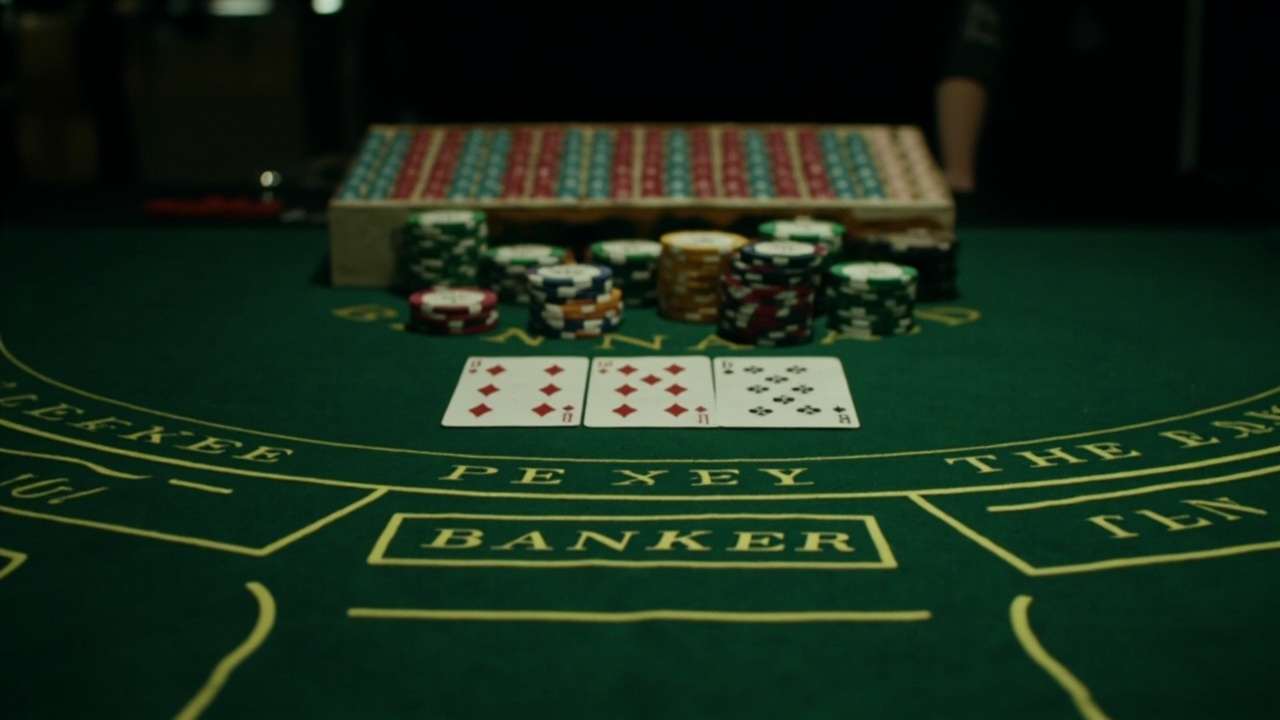
When you are comparing options, it helps to check a platform that is clear about its table rules and payment flow, and you can start that check at https://gatesofolympusrealmoneyau.com/ if you want a straightforward place to see what is on offer. The maths does not care about the glitter, and neither should your session plan.